
As an Amazon Associate I earn from qualifying purchases.
For a winter outage, start with the loads you need to run and how they connect: these five stations offer roughly 1 kWh of stated capacity, but their AC output, charging options, and advertised UPS transfer times differ. The EcoFlow DELTA 3 Plus and BLUETTI AC180 are rated for 1,800 W AC output, while the Anker SOLIX C1000 Gen 2 is rated at 2,000 W. The Jackery Explorer 1000 v2 is rated at 1,500 W. For charging flexibility, the AC180 lists four methods; the DELTA 3 Plus documents two solar inputs. The two Anker models also differ in stated UPS transfer time. None of these capacity figures alone predicts outage runtime: that depends on the connected load. Check each manufacturer’s operating and charging temperature limits before planning cold-weather use.
Quick comparison
| Product | Best for | Key detail and tradeoff | Amazon link |
|---|---|---|---|
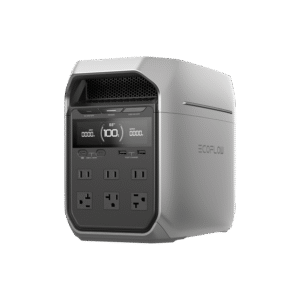 1. EcoFlow DELTA 3 Plus Portable Power Station |
Solar input flexibility and 1,800 W AC output | The standalone DELTA 3 Plus has 1,024 Wh capacity. Check before buying: Check that your planned solar setup stays within the 1,000 W combined-input limit. |
|
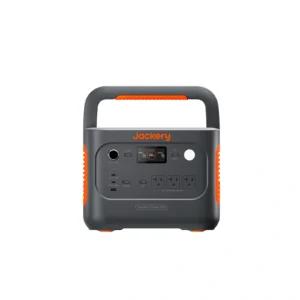 2. Jackery Explorer 1000 v2 Portable Power Station (JE-1000D, 1,070 Wh) |
Loads that fit a 1,500 W AC rating | Jackery identifies the 1,070 Wh Explorer 1000 v2 as model JE-1000D. Check before buying: Check that the combined AC load stays within the 1,500 W total rated output. |
|
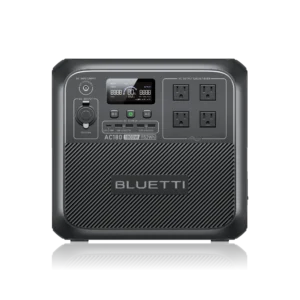 3. BLUETTI AC180 Portable Power Station |
Multiple documented charging methods | The standalone AC180 has 1,152 Wh battery capacity. Check before buying: Check that your connected AC loads fit the 1,800 W rating. |
|
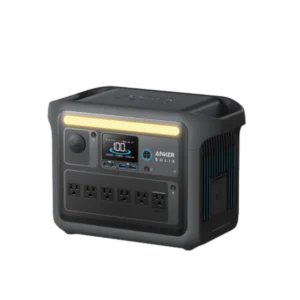 4. Anker SOLIX C1000 Portable Power Station (Original Generation) |
Buyers comparing port count and UPS transfer time | Anker rates the original C1000 at 1,056 Wh. Check before buying: Check whether connected UPS equipment suits the specified 20 ms transfer time. |
|
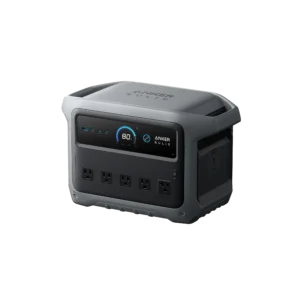 5. Anker SOLIX C1000 Gen 2 Portable Power Station |
Higher stated continuous AC output in the Anker pair | Anker rates the C1000 Gen 2 at 1,024 Wh. Check before buying: Check the specified conditions for the advertised full-recharge time against your intended setup. |
How we compared these products
This comparison uses the supplied manufacturer-documented facts only; it includes no firsthand testing or independently measured performance. Advertised ratings and transfer times are not treated as guarantees for every load or setup.
The #1–#5 numbers follow the selected product order; they are not a measured performance ranking.
1. EcoFlow DELTA 3 Plus Portable Power Station
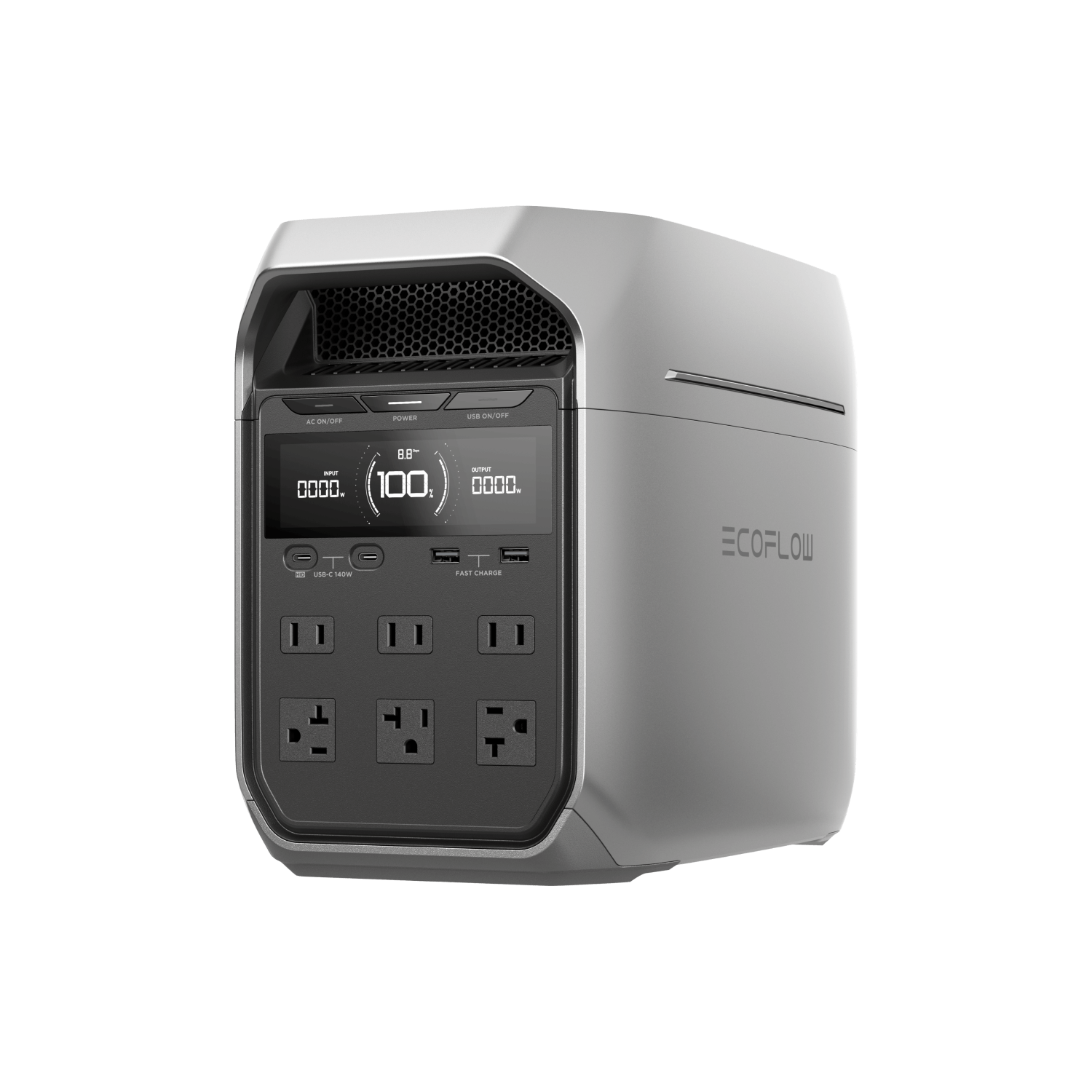
The EcoFlow DELTA 3 Plus combines 1,024 Wh of stated capacity with a rated 1,800 W AC output and 3,600 W surge specification. Its documented solar setup is a notable distinction: EcoFlow lists two solar inputs with up to 1,000 W combined input. The manufacturer also advertises a UPS transfer time under 10 ms. Those figures help narrow the fit if your outage plan depends on solar charging or backup transfer, but they do not establish how long a particular appliance will run. Check that your loads fit the output ratings and that your solar equipment stays within the combined input limit.
Documented facts
- The standalone DELTA 3 Plus has 1,024 Wh capacity.
- The rated AC output is 1,800 W, with 3,600 W surge specified by EcoFlow.
- EcoFlow advertises a transfer time under 10 ms for its UPS function.
- EcoFlow lists two solar inputs with up to 1,000 W combined input.
Who it may suit
Consider it if your backup plan includes connecting solar inputs or running loads within its rated AC output. Before buying, check the combined 1,000 W solar-input limit against your intended panels; the stated capacity does not by itself determine runtime.
Pros from documented features
- Two solar inputs with up to 1,000 W combined input are documented.
- Rated AC output is 1,800 W, with a 3,600 W surge specification.
Cons and tradeoffs
- Check that your planned solar setup stays within the 1,000 W combined-input limit.
- Confirm that connected equipment suits the 1,800 W rated output and the advertised UPS transfer time.
2. Jackery Explorer 1000 v2 Portable Power Station (JE-1000D, 1,070 Wh)
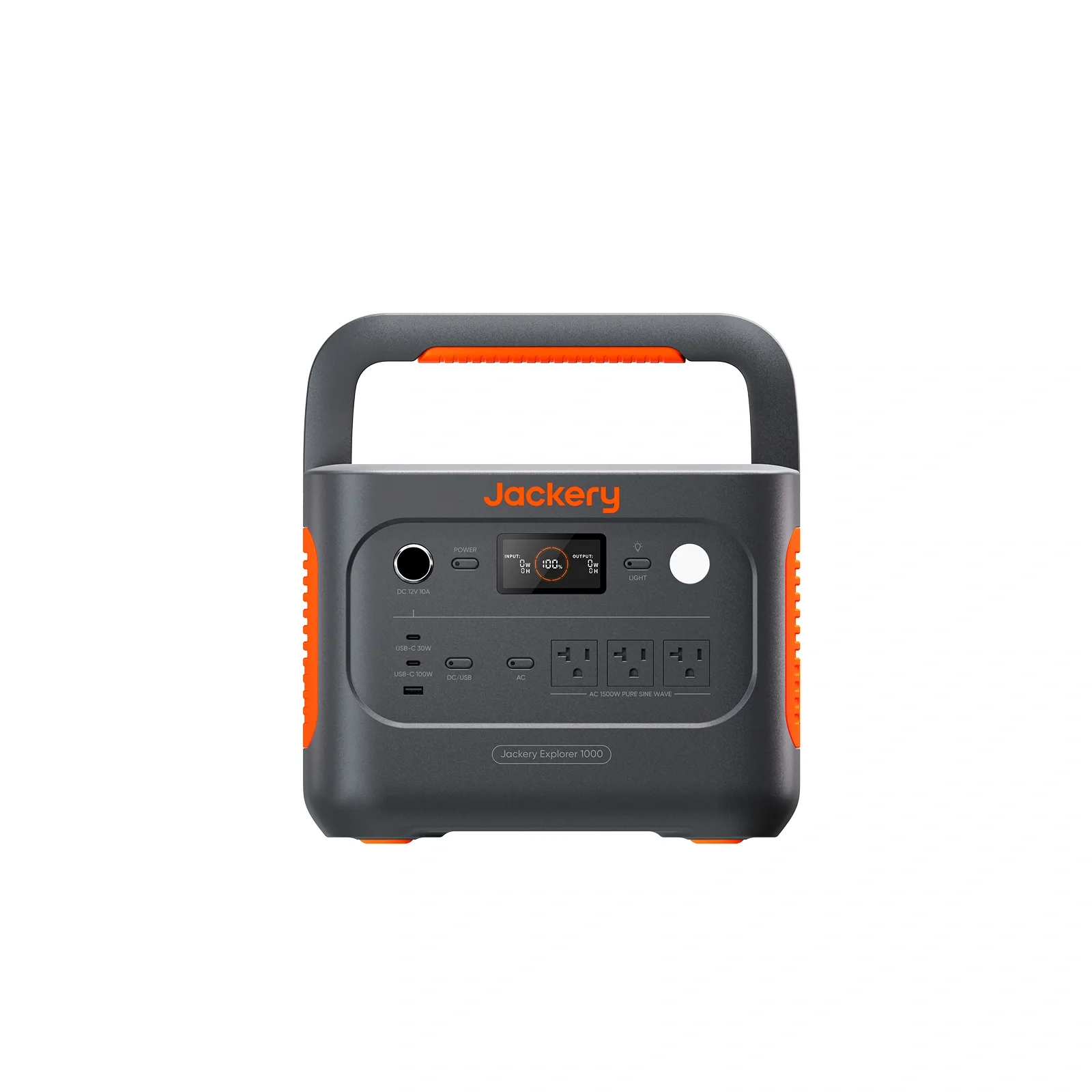
The Jackery Explorer 1000 v2, model JE-1000D, lists 1,070 Wh capacity and three 120 V AC outlets with 1,500 W total rated output. It uses a LiFePO4 battery and provides one 100 W and one 30 W USB-C output. These are useful decision points for buyers matching a specific mix of AC and USB-C devices to the station. The 1,500 W figure is the total rated AC output, so check the combined demand of the equipment you expect to connect. The supplied specifications do not establish runtime for a given load or describe a UPS transfer time.
Documented facts
- Jackery identifies the 1,070 Wh Explorer 1000 v2 as model JE-1000D.
- Its three 120 V AC outlets have 1,500 W total rated output.
- The battery chemistry is LiFePO4.
- Jackery specifies one 100 W and one 30 W USB-C output.
Who it may suit
This model may fit a backup setup built around devices whose combined AC demand stays within its 1,500 W total rating, alongside USB-C equipment. Check both the AC load and which USB-C output each device needs before choosing it.
Pros from documented features
- Three 120 V AC outlets are documented.
- Two USB-C outputs are specified: 100 W and 30 W.
Cons and tradeoffs
- Check that the combined AC load stays within the 1,500 W total rated output.
3. BLUETTI AC180 Portable Power Station
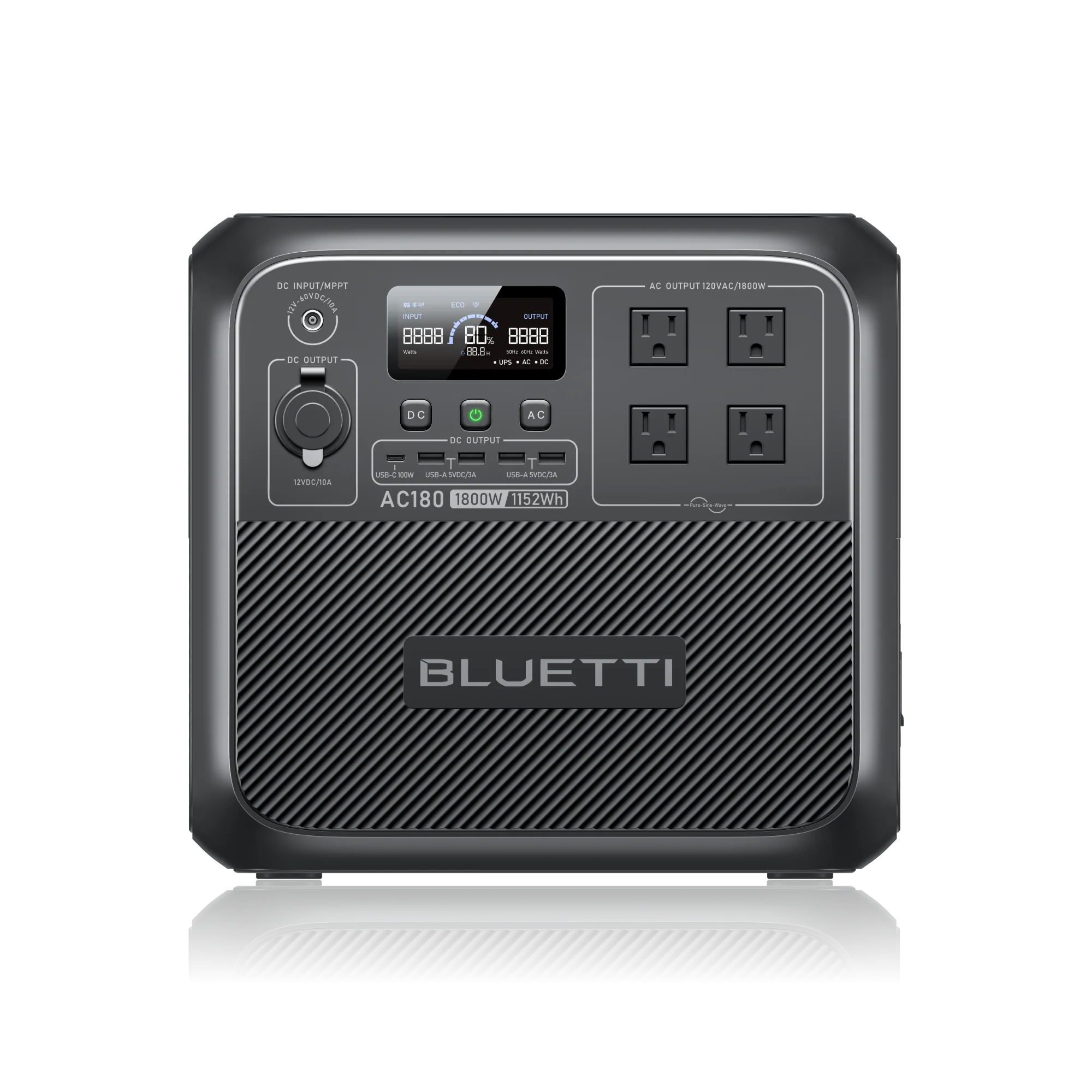
The BLUETTI AC180 has 1,152 Wh of stated battery capacity and a rated AC output of 1,800 W. Its manufacturer lists four charging methods: AC, solar, car, and generator. That range can matter when an outage plan may involve more than one way to recharge, rather than relying on a single documented input type. The battery chemistry is LiFePO4. The supplied facts do not give charging times or a UPS transfer time, so those should not be assumed from the charging-method list or battery capacity. Check that your loads fit the 1,800 W rating and that the charging methods you intend to use work with your planned setup.
Documented facts
- The standalone AC180 has 1,152 Wh battery capacity.
- BLUETTI rates its AC output at 1,800 W.
- The AC180 uses a LiFePO4 battery.
- The manufacturer lists AC, solar, car, and generator charging methods.
Who it may suit
Consider the AC180 if you want documented charging options spanning AC, solar, car, and generator sources. Before buying, confirm your intended charging setup and that the loads you plan to run fit its 1,800 W AC rating.
Pros from documented features
- Four charging methods are listed: AC, solar, car, and generator.
- The stated capacity is 1,152 Wh, and the battery chemistry is LiFePO4.
Cons and tradeoffs
- Check that your connected AC loads fit the 1,800 W rating.
4. Anker SOLIX C1000 Portable Power Station (Original Generation)
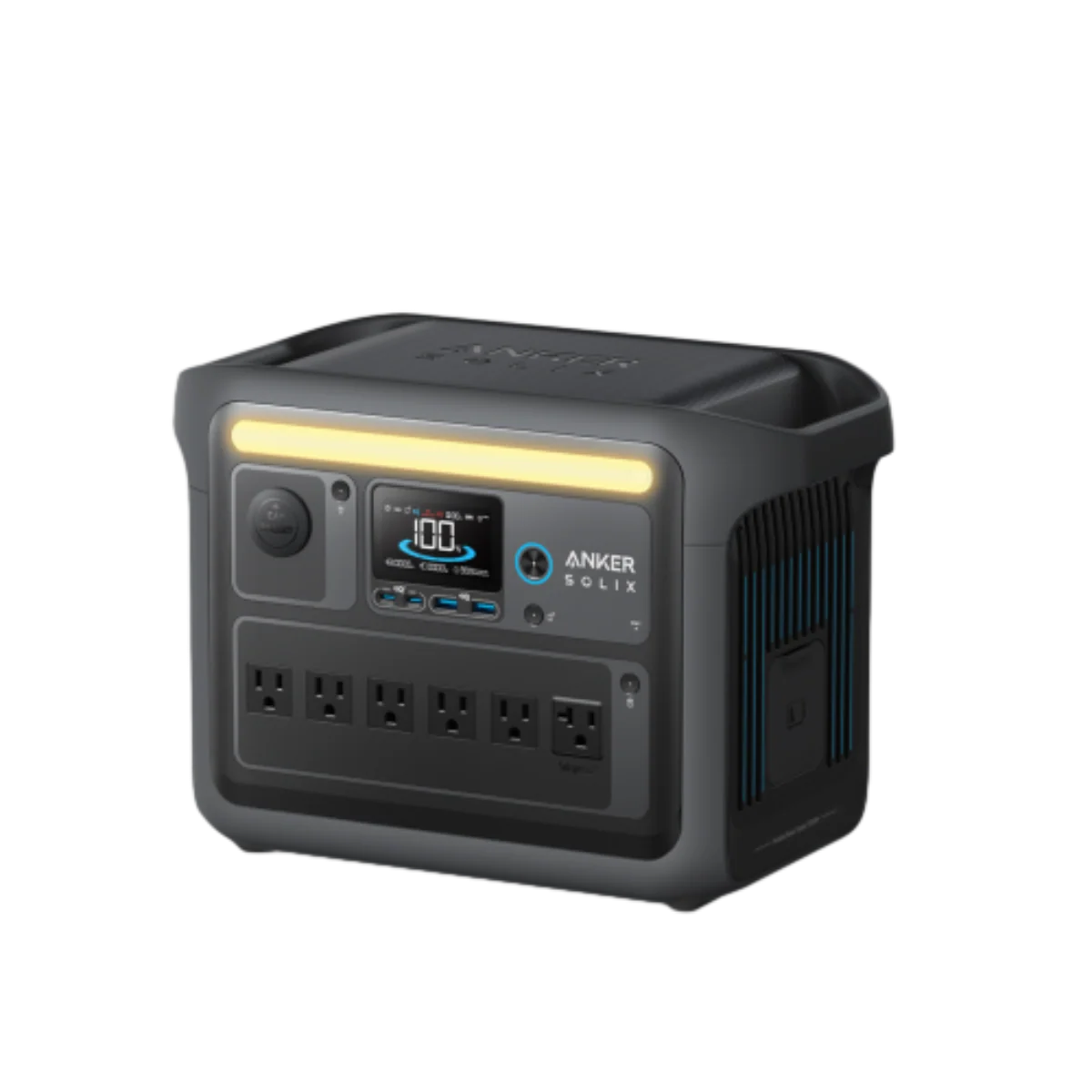
The original-generation Anker SOLIX C1000 is rated at 1,056 Wh and 1,800 W AC inverter output. Anker specifies 11 total output ports and a 20 ms UPS transfer time. That makes port count and the documented transfer figure useful comparison points when planning which devices to connect or whether to use the unit in a UPS setup. The transfer-time specification alone does not confirm compatibility with any particular device, and the AC rating remains a limit to account for. Check your connected equipment's requirements and whether its behavior during the specified transfer time is acceptable.
Documented facts
- Anker rates the original C1000 at 1,056 Wh.
- Its AC inverter output is rated at 1,800 W.
- Anker specifies 11 total output ports.
- The manufacturer specifies a 20 ms UPS transfer time.
Who it may suit
This original C1000 may suit a setup where the documented 11-port total and 1,800 W AC rating match the connection plan. If using its UPS function, check whether your equipment is suitable for the specified 20 ms transfer time.
Pros from documented features
- Anker specifies 11 total output ports.
- The AC inverter output is rated at 1,800 W.
Cons and tradeoffs
- Check whether connected UPS equipment suits the specified 20 ms transfer time.
5. Anker SOLIX C1000 Gen 2 Portable Power Station
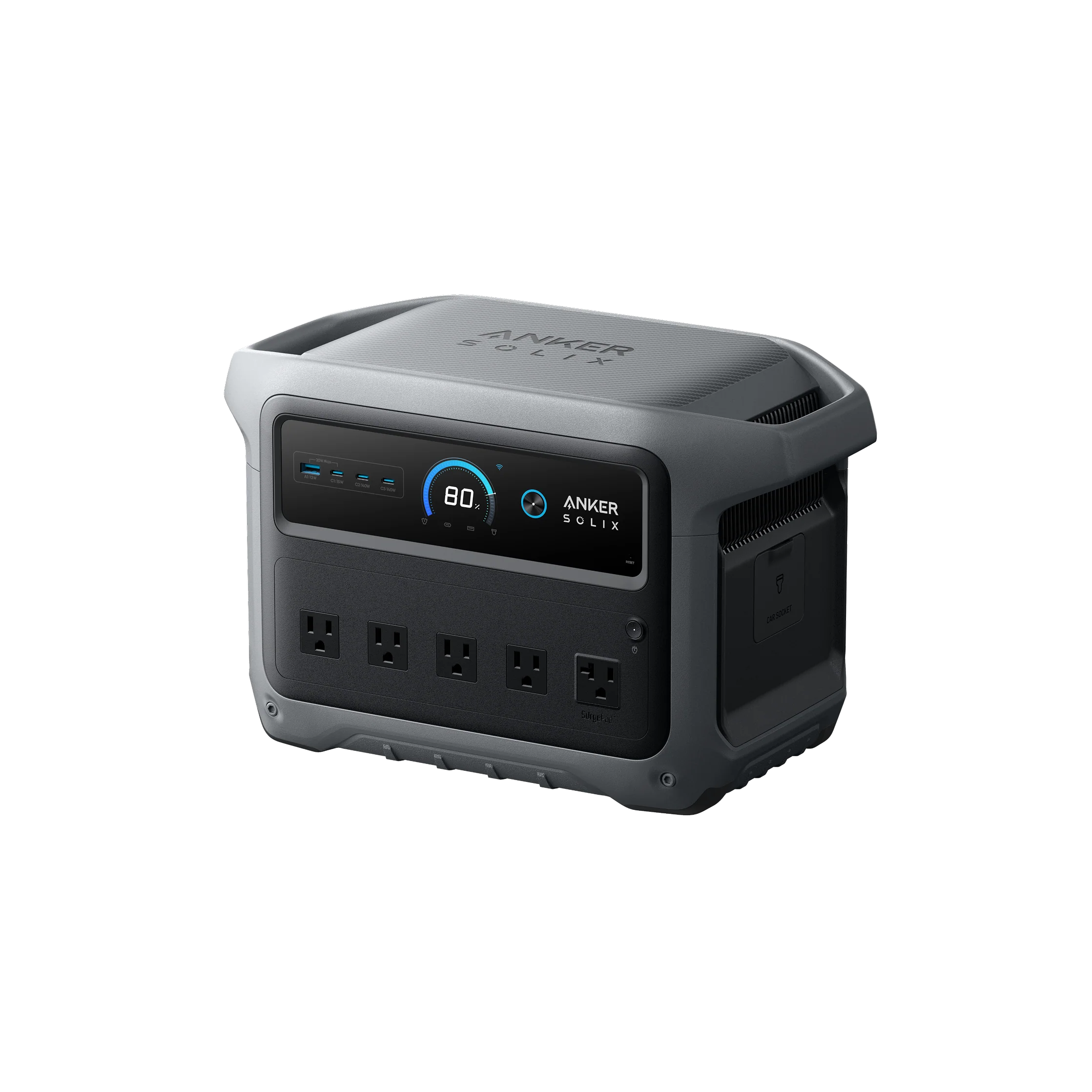
The Anker SOLIX C1000 Gen 2 is rated at 1,024 Wh and 2,000 W continuous AC output, compared with the original C1000's documented 1,800 W rating. Anker advertises a 49-minute full recharge in UltraFast mode under specified conditions and lists a 10 ms UPS transfer time. These are relevant distinctions for buyers comparing the two generations, but the recharge claim is conditional, and neither capacity nor transfer time establishes performance for every load or setup. Check that your equipment fits the continuous output rating and that your intended charging configuration meets the conditions for the advertised recharge figure.
Documented facts
- Anker rates the C1000 Gen 2 at 1,024 Wh.
- Its continuous AC output is rated at 2,000 W.
- Anker advertises a 49-minute full recharge in UltraFast mode under specified conditions.
- The manufacturer lists a 10 ms UPS transfer time.
Who it may suit
Consider the Gen 2 if its 2,000 W continuous AC rating better matches your planned load than the original C1000's 1,800 W rating. Before buying, verify the conditions for the advertised 49-minute recharge and whether the 10 ms UPS figure suits your equipment.
Pros from documented features
- Continuous AC output is rated at 2,000 W.
- Anker advertises a 49-minute full recharge in UltraFast mode under specified conditions.
Cons and tradeoffs
- Check the specified conditions for the advertised full-recharge time against your intended setup.
- Confirm that your connected loads fit the 2,000 W continuous AC rating.
How to choose
Choose by the constraint that matters most. For loads whose startup needs fit its ratings and a setup with substantial solar input, consider the EcoFlow DELTA 3 Plus. The BLUETTI AC180 is the one here with AC, solar, car, and generator charging methods documented. The Jackery Explorer 1000 v2 may suit buyers whose connected equipment fits its 1,500 W total AC rating and who value its stated LiFePO4 chemistry and two USB-C outputs. For an Anker unit, compare the original C1000's 11 output ports and 20 ms UPS figure with the Gen 2's 2,000 W continuous output and advertised 10 ms transfer time; check that the relevant rating and setup match your equipment.
Common questions
Can the stated Wh capacity tell me how long a power station will run my appliances?
Not by itself. The figures here describe battery capacity, but the supplied facts do not give runtime for particular loads. Estimate your equipment's needs separately and check the station's output rating as well as its capacity.
Which models list a UPS transfer time?
The EcoFlow DELTA 3 Plus advertises under 10 ms, the original Anker SOLIX C1000 specifies 20 ms, and the C1000 Gen 2 lists 10 ms. These are manufacturer-stated figures; check whether the connected equipment is suitable for the transfer time.
Sources
- EcoFlow DELTA 3 Plus Portable Power Station: Product specifications source; Model identification source
- Jackery Explorer 1000 v2 Portable Power Station (JE-1000D, 1,070 Wh): Product specifications source; Model identification source
- BLUETTI AC180 Portable Power Station: Product specifications source; Model identification source
- Anker SOLIX C1000 Portable Power Station (Original Generation): Product specifications source; Model identification source
- Anker SOLIX C1000 Gen 2 Portable Power Station: Product specifications source; Model identification source